




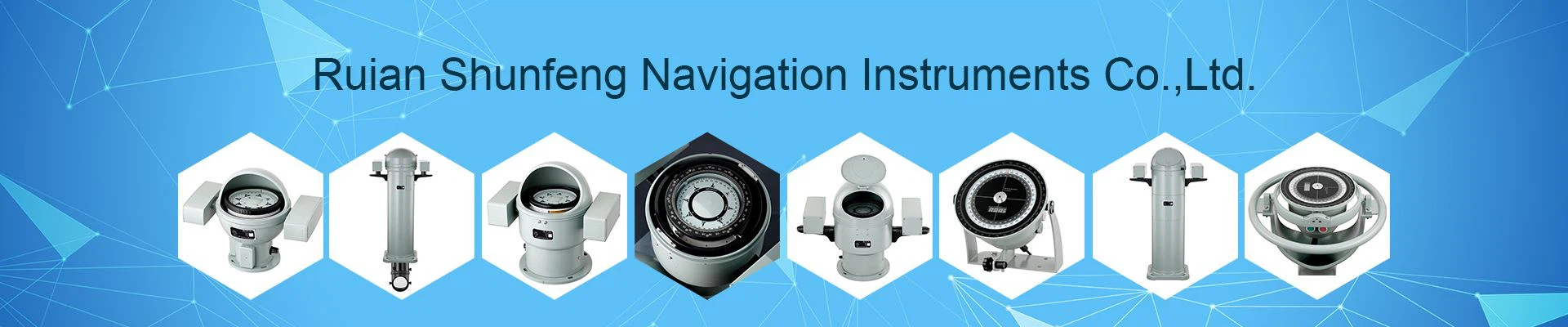
What Is A Repeater Compass
 Dec 26, 2024|
 A repeater compass is a navigational instrument that is related to the main compass on a vessel or in some other applications. Here's a detailed look at what it is and how it works:
1. Definition and Purpose
A repeater compass is designed to display the heading information received from a master compass located elsewhere on the vessel. The main purpose is to provide the same compass reading in multiple locations on a ship or aircraft. For example, on a large ship, the master compass might be located in a central, protected area, but the helmsman at the wheel, the navigator in the chart room, and other crew members in different parts of the ship need to know the ship's heading. The repeater compass allows this information to be replicated and easily accessible in these various locations.
2. Working Principle
The repeater compass is electrically or mechanically connected to the master compass. In the case of an electrically - connected repeater compass, it uses a system of electrical signals to transmit the magnetic heading data. The master compass contains sensors that detect the direction of the Earth's magnetic field. These sensors generate an electrical signal that corresponds to the detected heading.
The signal is then sent through a cable to the repeater compass units located in different parts of the vessel. The repeater compass has a mechanism (such as a stepper motor or a servo - controlled dial) that moves the compass card or pointer to display the same heading as the master compass. In a mechanically - connected repeater compass, a system of gears and shafts is used to transmit the rotational position of the master compass to the repeater units.
3. Types of Repeater Compasses
Digital Repeater Compasses: These display the heading as a digital readout, usually in degrees. They are often more precise and can be interfaced with other modern navigation systems such as GPS and electronic chart display and information systems (ECDIS).
Analog Repeater Compasses: They have a traditional compass card and pointer similar to a standard magnetic compass. The card rotates to show the heading, and the pointer indicates the direction of the bow (front) of the vessel.
4. Advantages
Convenience: Crew members can access the ship's heading information without having to be near the main compass. This is especially useful in large vessels where the main compass may be in a protected or less - accessible location.
Redundancy: In case the main compass fails or its display becomes unreadable, the repeater compasses can serve as a backup to continue providing heading information, ensuring the safety of navigation.
Integration with Navigation Systems: Repeater compasses can be integrated with other navigation equipment such as autopilots. The autopilot can use the heading information from the repeater compass to maintain the desired course of the vessel.