
Quality products
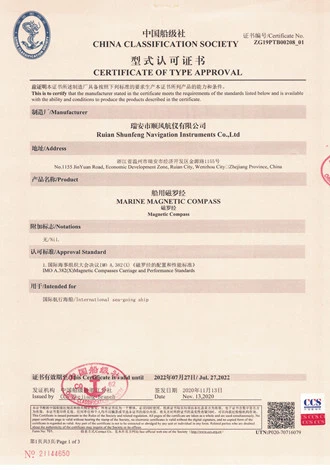
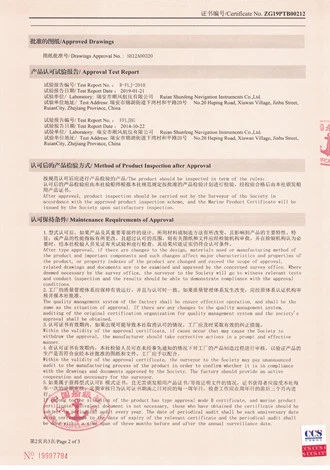
We have the most advanced production equipment, and our products are approved by China Classification Society and China fishing boat inspection bureau and obtain CCS and ZY type approval certificates.
Rich experience
Since its establishment in 1980, we have been widely recognized and highly praised by enterprises and consumers for our excellent quality and thoughtful service.
Reliable service
Our team is committed to providing reliable and consistent service, ensuring that you receive high-quality products and customer support from us every time.
Professional team
The company is in possession of numbers of senior engineers and has abundant technique power, well conditioned equipment and technology comes to perfection.
A bearing repeater support is a specialized device designed to securely mount and stabilize bearing repeaters, primarily used in marine navigation systems. Available in vertical and wall-mounted configurations, it is typically crafted to international standards using one-piece molding techniques, avoiding flaws like sand holes or dimensional instability common in traditional casting. Its robust, durable structure ensures the bearing repeater—critical for displaying navigation data such as celestial and terrestrial bearings—operates reliably, providing a stable foundation for marine compasses and related equipment. Many models can be customized to fit specific brands like TKC, Sperry, or Yokogawa, combining functional design with adaptability to support accurate navigation operations at sea.

A bearing repeater support functions as a precision mounting framework that secures and stabilizes bearing repeaters—devices used in marine navigation to replicate and display bearing readings from compasses or other navigational instruments. Its core role is to maintain the repeater in a fixed, aligned position, ensuring accurate transmission and visibility of critical directional data.
Typically engineered with robust materials (like corrosion-resistant metals) and precision-machined components, the support is designed to counteract the vibrations, tilts, and movement common on ships. It absorbs shocks from rough seas and prevents shifts that could misalign the repeater, which is essential because even minor positional changes can distort bearing readings.
Installation configurations—whether vertical, wall-mounted, or custom-fit—are tailored to the vessel’s layout and the specific repeater model (e.g., TKC, Sperry), ensuring the device remains easily visible to navigators while integrating seamlessly with existing systems. By providing a stable, vibration-resistant base, the support enables the bearing repeater to reliably reflect real-time directional information, aiding in safe and accurate navigation.
Enhanced Stability for Accurate Readings
Designed to counteract vessel vibrations, tilts, and rough seas, these supports keep bearing repeaters securely aligned. This stability prevents even minor shifts that could distort directional data, ensuring consistent accuracy in critical navigation readings.
Durability in Harsh Maritime Environments
Constructed from marine-grade, corrosion-resistant materials (e.g., treated metals), they withstand saltwater, humidity, and extreme temperature fluctuations. This ruggedness minimizes wear and extends service life, reducing maintenance needs.


Versatile Integration
Available in vertical, wall-mounted, or custom configurations, they adapt to diverse vessel layouts and fit specific repeater models (e.g., TKC, Sperry). This flexibility allows seamless integration with existing navigation systems without major modifications.
Precision Engineering for Reliability
Often manufactured using one-piece molding or precision machining, they avoid structural flaws like cracks or uneven surfaces. This ensures long-term mechanical integrity, reducing the risk of sudden failures and keeping navigation systems operational.
First, select the appropriate mounting configuration—vertical, wall-mounted, or custom—based on the vessel’s layout and the specific bearing repeater model (e.g., TKC, Sperry). Ensure the installation location offers clear visibility to navigators while avoiding excessive vibration sources (like engine compartments) to maintain stability.
Next, secure the support firmly to the vessel’s structure using marine-grade fasteners, ensuring it’s level and aligned with the repeater’s operational axis. This alignment is critical: even slight tilting can skew bearing readings, so use a spirit level or laser alignment tool for precision.
Once mounted, attach the bearing repeater to the support, following the manufacturer’s guidelines to ensure a snug fit without over-tightening, which could damage components. After installation, test the setup under typical sailing conditions—checking for movement or shifting during vessel turns or rough seas—to confirm stability.
Regular maintenance includes inspecting fasteners for tightness, cleaning corrosion-prone areas, and verifying alignment periodically. This ensures the support continues to stabilize the repeater, keeping navigation data accurate and reliable throughout maritime operations.
Material Degradation in Extreme Conditions
Despite using corrosion-resistant materials, prolonged exposure to highly concentrated saltwater, extreme temperature swings, or chemical contaminants (e.g., industrial runoff) can gradually erode protective coatings or weaken metal structures. This degradation may compromise stability over time, leading to loosening or misalignment.
Inadequate Vibration Dampening
In cases of excessive vessel vibration (e.g., from powerful engines or rough seas beyond design parameters), some supports may fail to fully absorb shocks. Over time, this can cause fasteners to loosen or the support’s structural integrity to weaken, resulting in repeater misalignment and inaccurate readings.
Poor Installation or Mismatched Fit
If installed without proper alignment (e.g., uneven mounting surfaces) or paired with a repeater model outside its design specifications, the support may not secure the device effectively. This mismatch can lead to slippage, increased wear, or premature failure, even with high-quality materials.
Mechanical Fatigue in Moving Parts
Supports with adjustable components (e.g., swivel mounts) are prone to wear at hinge points or locking mechanisms. Repeated adjustments or constant stress from vessel movement can cause these parts to loosen or seize, reducing the support’s ability to maintain stable positioning.
Finding your way using a bearing repeater support hinges on its role as a critical stabilizer for the bearing repeater, a device that relays directional data from compasses or navigational instruments—ensuring accuracy even in the dynamic conditions of marine travel.
First, the support secures the repeater in a fixed, aligned position, counteracting the vessel’s vibrations, tilts, and sway from waves. This stability ensures the repeater reliably mirrors the compass’s bearing readings, whether tracking celestial bodies, landmarks, or other vessels. Navigators rely on these consistent, undistorted readings to plot courses, avoid hazards, and maintain heading.
Proper installation of the support—whether vertical, wall-mounted, or custom-fit—places the repeater within clear sight of the navigation team, making it easy to reference critical data in real time. Its durability in harsh marine environments means this reliability holds steady, even amid saltwater, humidity, or rough seas.
In essence, the bearing repeater support doesn’t directly determine direction, but by keeping the repeater stable and accurate, it becomes an indispensable link in translating raw navigational data into actionable guidance—helping mariners chart a precise, safe path across waters.
Growth in Maritime and Shipping Industries
Expanding global trade and the rising number of commercial vessels (cargo ships, cruise liners, and offshore vessels) drive demand for reliable navigation systems. Bearing repeater supports are critical for stabilizing repeaters in harsh marine environments, ensuring accurate directional data—making them essential for safe and efficient maritime operations.
Advancements in Navigation Technology
Modern vessels and industrial equipment increasingly adopt advanced navigation systems (e.g., GPS-integrated compasses, digital repeaters) that require precise stabilization. This pushes the need for high-performance supports capable of withstanding vibrations, corrosion, and extreme conditions, driving innovation in material science (e.g., durable alloys, anti-corrosive coatings) and design.
Infrastructure Development in Offshore Industries
Growth in offshore oil and gas exploration, wind energy projects, and underwater construction necessitates robust navigation tools. Bearing repeater supports are vital for maintaining accuracy in these remote, high-stress environments, where even minor misalignment can lead to operational errors or safety risks.
Regulatory and Safety Standards
Strict maritime regulations (e.g., IMO guidelines) mandate reliable navigation equipment to ensure vessel safety. Compliance with these standards forces shipbuilders and operators to invest in quality supports that prevent repeater failure, directly boosting market demand.
Replacement and Maintenance
Aging fleets and industrial equipment require regular replacement of worn-out supports to avoid navigation inaccuracies. Routine maintenance cycles in marine and industrial sectors create consistent demand for replacement parts, sustaining market growth.
All our products are approved by China Classification Society and China fishing boat inspection bureau and obtain CCS and ZY type approval certificates. Our company has been found to conform to Quality Management System standard ISO 9001:2000 approved by China Classification Society Quality Assurance (CSQA).




Q: Where are bearing repeater supports used?
A: They are primarily used in marine settings (ships, offshore platforms), but also find applications in industrial machinery, aerospace (e.g., aircraft navigation), and heavy equipment where stable directional readings are critical.
Q: What materials are bearing repeater supports made of?
A: They are typically constructed from marine-grade or industrial-grade materials, such as stainless steel, aluminum alloys, or reinforced polymers, chosen for their corrosion resistance, durability, and strength to withstand harsh conditions.
Q: How do I choose the right support for my repeater?
A: Consider factors like:
The size and weight of the repeater (to ensure a proper fit).
The environment (e.g., saltwater exposure, vibration levels) to select corrosion-resistant or vibration-dampening materials.
Mounting requirements (vertical, wall-mounted, or custom) based on space and operational needs.
Q: How often should bearing repeater supports be maintained?
A: Maintenance frequency depends on usage conditions. In marine environments, inspect monthly for corrosion, loose fasteners, or misalignment. Clean corrosion-prone areas regularly, tighten fasteners, and replace supports if structural damage (e.g., cracks, excessive wear) is detected.
Q: Can a damaged support affect navigation accuracy?
A: Yes. A damaged or misaligned support can cause the repeater to shift, leading to inaccurate bearing readings. This poses safety risks in navigation, as it may result in incorrect course plotting or hazard avoidance.
Q: Are there custom-designed supports available?
A: Yes. Many manufacturers offer custom supports tailored to specific repeater models, vessel layouts, or unique environmental challenges (e.g., extreme temperatures, high vibration), ensuring optimal performance.
with over 35 years' experience, we are one of the leading bearing repeater support manufacturers and also a professional supplier in China. Welcome to wholesale our quality and steady bearing repeater support. Competitive price and excellent service are available.
, repeater support , bearing repeater stand , repeater holder , bearing repeater holder(0/10)



